

Thailand’s coastline stretches for more than 3,000 kilometers along the Andaman Sea and the Gulf of Thailand, and somewhere along that shoreline is a beach for every kind of traveler. If you’re trying to figure out which stretch of sand deserves your limited vacation days, you’re not alone this is one of the most searched travel questions every single year, and for good reason. Between limestone cliffs that rise straight out of turquoise water, powder soft sand, and islands that feel plucked from a postcard, narrowing it down can feel overwhelming.
This guide breaks down the best beaches in Thailand by region, vibe, and traveler type, so whether you’re chasing dramatic scenery, a quiet honeymoon cove, a lively party scene, or a familly friendly shore with calm water, you’ll know exactly where to point your ferry ticket.
What Makes Thailand’s Beaches So Special
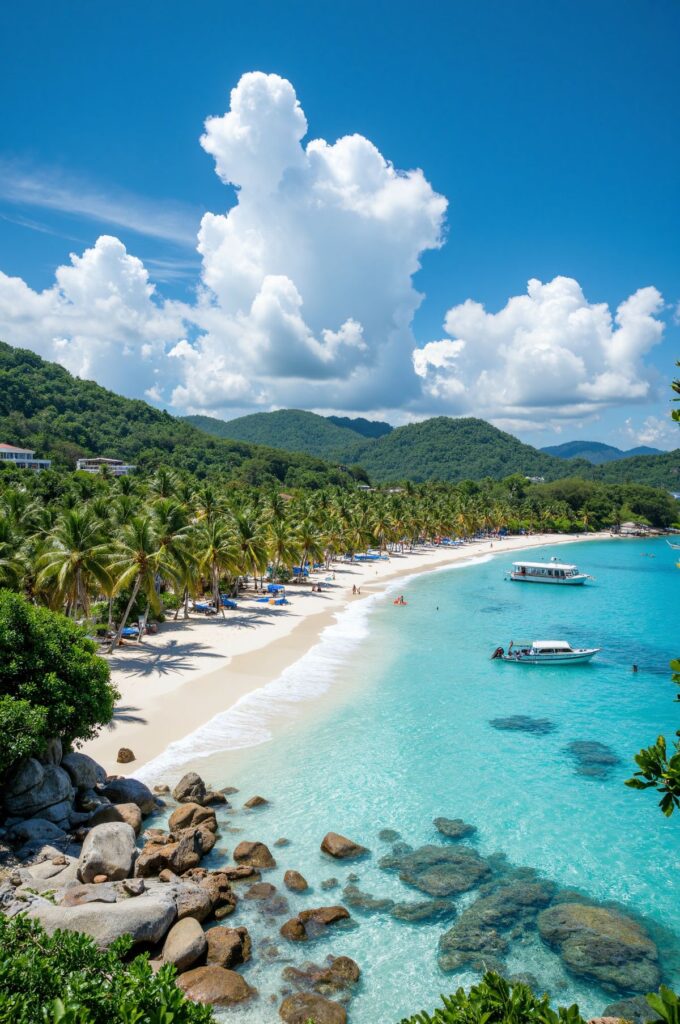
Thailand’s beaches aren’t special just because of the sand although the sand is genuinely some of the finest in Southeast Asia. What sets this coastline apart is its sheer variety within a relatively compact country. In Krabi and Phang Nga, ancient limestone karsts jut out of the sea, creating some of the most photographed landscapes on the planet. Head to the Gulf coast, and the geography softens into long, gentle bays lined with coconut palms and calmer water that’s ideal for swimming.
The marine life adds another layer entirely. Coral reefs around Koh Tao, the Similan Islands, and Koh Phi Phi support colorful fish, reef sharks, and, during certain months, whale sharks. That combination of dramatic scenery above the waterline and rich biodiversity below it is rare, and it’s a big reason Thailand consistently ranks among the top beach destinations worldwide. Add in warm water year round, affordable island hopping options, and a well developed tourism infrastructure, and it’s easy to see why millions of travelers plan entire trips around the coastline alone.
Best Beaches in Thailand at a Glance
Before diving into details, here’s a quick snapshot to help you orient your trip based on what matters most to you.
| Beach | Region | Best For | Vibe |
|---|---|---|---|
| Railay Beach | Krabi | Couples, rock climbers | Dramatic cliffs, boat only access |
| Maya Bay | Koh Phi Phi Leh | Sightseeing, photography | Iconic, tightly regulated |
| Koh Lipe | Satun, far south | Snorkeling, honeymoons | Clear water, low key |
| Klong Dao Beach | Koh Lanta | Families | Calm, shallow, quiet |
| Kata Beach | Phuket | Families, surfing (low season) | Balanced, laid back |
| Patong Beach | Phuket | Nightlife | Energetic, developed |
| Chaweng Beach | Koh Samui | Mixed crowd | Resorts, restaurants, bars |
| Sairee Beach | Koh Tao | Diving, snorkeling | Backpacker friendly |
| Haad Rin | Koh Phangan | Parties | Full Moon Party central |
| Bottle Beach | Koh Phangan | Escaping crowds | Remote, boat or hike access |
Keep this table handy as a starting reference, then read on for the full picture of each destination, including how to get there and what to expect once you arrive.
Railay Beach, Krabi
Railay is technically a peninsula rather than an island, but it functions like one because towering limestone cliffs cut it off from the mainland road network entirely. The only way in is by longtail boat from Ao Nang or Krabi Town, which keeps the pace slower and the crowds more manageable than you’d expect from such a famous spot. The beach itself is split into Railay East, Railay West, and the quieter Phra Nang Beach, each with a distinct personality.
What makes Railay genuinely stand out is the combination of scenery and activity. World class rock climbers scale the karst walls right above sunbathers, and the contrast of adventure and relaxation happening side by side is part of the charm. Phra Nang Beach in particular is often cited as one of the most beautiful stretches of sand in the country, with a sacred cave shrine tucked into the cliffside. For the best light and the fewest crowds, arrive early in the morning before the day trip boats from Ao Nang start pulling in.
Maya Bay, Phi Phi Islands
Maya Bay, on Koh Phi Phi Leh, remains the most recognizable beach in Thailand, largely thanks to the 2000 film “The Beach.” That fame came at a cost years of overtourism damaged the coral reef and turned the bay into a congested boat parking lot. Thai authorities closed it in 2018 to allow the ecosystem to recover, and it reopened in 2022 under much stricter rules.
Today, visitor numbers are capped, swimming in the main bay is not permitted so the recovering reef stays undisturbed, and boats can no longer dock directly on the beach. Visitors arrive at a rear pier and walk a short boardwalk into the bay itself. The site typically closes for a couple of months each year, usually from August through September, to give the marine environment a rest period. Despite the restrictions, most visitors say it’s still worth the trip the cliffs enclosing the bay on three sides create a scene that genuinely lives up to the hype, especially once the crowds thin out later in the afternoon. Book with an official tour operator from Phi Phi Don, Phuket, or Krabi, and go in early morning or late afternoon for softer light and smaller groups.
Koh Lipe
Tucked near the Malaysian border in Tarutao National Marine Park, Koh Lipe is often described as Thailand’s answer to the Maldives, minus the price tag. The water clarity here rivals anywhere else in the country, and the island’s small size means everything beaches, restaurants, dive shops is within easy walking distance.
Sunrise Beach and Pattaya Beach are the two main stretches, each offering calm, shallow water that’s excellent for swimming and snorkeling right off the shore. Because Koh Lipe requires more effort to reach (a flight to Hat Yai or Trang followed by a ferry, or a longer boat ride from Pak Bara), it sees noticeably fewer visitors than Phuket or Samui, which is exactly the appeal for travelers looking for a quieter, more intimate island experience without sacrificing beauty.
Koh Lanta: A Quieter Family Favorite
Koh Lanta doesn’t have the name recognition of Phuket or Phi Phi, and that’s precisely why families and long stay travelers love it. Klong Dao Beach, on the island’s northwest coast, offers long stretches of flat, shallow sand that’s ideal for young children, along with a row of relaxed beachfront restaurants perfect for watching the sunset.
Further south, Kantiang Bay feels more secluded, framed by jungle covered hills and a handful of boutique resorts rather than large chains. Koh Lanta’s overall pace is noticeably slower than Thailand’s more famous beach towns, with fewer high rise developments and a stronger sense of local island life. If your priority is calm water, easy logistics, and a break from crowds, this is one of the most underrated beaches in Thailand for a family beach holiday.
Phuket’s Beaches: From Nightlife to Hidden Coves
Phuket is Thailand’s largest island and its most developed beach destination, which means it offers something for nearly every type of traveler across its western coastline.
Patong Beach
Patong is the island’s nightlife capital, lined with beach clubs, bars, and street markets that stay lively well past midnight. The beach itself is wide and well maintained, with plenty of water sports on offer during the day, but this is the spot to choose if energy and convenience matter more to you than tranquility.
Kata and Freedom Beach
Kata Beach strikes a more balanced tone, with a mellow daytime scene, decent surf during the monsoon season, and easy access to restaurants and shops without the intensity of Patong. For something quieter still, Freedom Beach sits on Phuket’s southeast coast and is reachable only by boat or a steep jungle trail, which keeps it far less crowded than the island’s main strips. Both are excellent alternatives if you want Phuket’s convenience without its busiest scenes.
Koh Samui and the Gulf Coast
On the Gulf of Thailand side of the country, Koh Samui offers a different rhythm from the Andaman islands generally calmer seas, softer sand, and a slightly more laid back luxury feel. Chaweng Beach is the island’s most developed stretch, packed with resorts, restaurants, and a lively strip of bars, making it a good fit for travelers who want beach access alongside modern amenities.
Lamai Beach, just south of Chaweng, offers a similar setup on a smaller and less crowded scale, with a mix of family resorts and a modest nightlife scene of its own. Because Samui has its own international airport, it’s also one of the easiest Thai islands to reach directly, which makes it a popular choice for travelers with limited time who still want a full beach resort experience.
Koh Tao and Koh Phangan: Diving and Full Moon Parties
These two islands sit near Koh Samui in the Gulf of Thailand, and while they’re geographic neighbors, they attract very different crowds.
Koh Tao for Diving and Snorkeling
Koh Tao is widely considered the best diving destination in Thailand, with more than 25 dive sites within a short boat ride and some of the most affordable dive certification courses in the world. Sairee Beach, the island’s longest stretch of sand, doubles as the main backpacker hub, with beach bars and fire shows running most nights. Shark Bay, on the island’s north side, is known for blacktip reef sharks visible from shore, while Tanote Bay offers quieter, boulder framed snorkeling on the east coast.
Koh Phangan Beyond the Full Moon Party
Koh Phangan is best known for Haad Rin and its legendary Full Moon Party, which draws thousands of travelers each month for an all night beach celebration. But the island has a quieter side too Bottle Beach, reachable only by boat or a challenging jungle hike, is one of the most secluded beaches in Thailand, offering a genuine escape from the party scene just a short distance away.
Best Time to Visit Thailand’s Beaches
Timing matters as much as location when planning a beach trip to Thailand, since the Andaman and Gulf coasts don’t share the same weather patterns.
The dry season, running roughly from November through February, offers the most reliable sunshine and calm seas across most of the country, making it peak season for a reason. Shoulder months like March and April often bring fewer crowds and lower prices while weather remains largely favorable, though temperatures can climb noticeably. Monsoon season affects the Andaman coast (Phuket, Krabi, Phi Phi) primarily between May and October, while the Gulf coast (Koh Samui, Koh Phangan, Koh Tao) sees its wettest stretch later, typically around October and November, so it’s worth checking region specific forecasts rather than assuming the whole country follows one seasonal pattern.
Travel Tips for Beach Hopping in Thailand
Getting around Thailand’s islands is generally straightforward, but a little planning goes a long way toward avoiding wasted time at ferry piers or fully booked boats.
- Book inter island ferries and speedboats a day or two in advance during peak season, especially routes connecting Phuket, Krabi, and the Phi Phi Islands.
- Use reef safe sunscreen, particularly at protected marine sites like Maya Bay and the Similan Islands, where regular sunscreen can be restricted.
- Pack cash in smaller denominations for longtail boat rides and beach vendors, since card payments aren’t always available on smaller islands.
- Check national park and marine park entrance fees before visiting popular spots, as several beaches now charge separate admission on top of transport costs.
- Avoid peak December and January holiday weeks if crowds bother you; March and April often deliver similar weather with noticeably fewer visitors.
- Confirm visa requirements ahead of travel, since rules and exemption periods can change and vary by nationality.
Best Thailand Beaches by Travel Style
Different trips call for different beaches, so here’s a quick comparison to match your travel style with the right stretch of sand.
| Travel Style | Recommended Beaches | Why It Works |
|---|---|---|
| Families with young kids | Klong Dao (Koh Lanta), Kata (Phuket), Chaweng (Koh Samui) | Shallow water, easy amenities |
| Couples and honeymooners | Railay Beach, Koh Lipe, Freedom Beach | Scenic, romantic, less crowded |
| Divers and snorkelers | Koh Tao, Maya Bay area, Similan Islands | Rich reefs, dive schools nearby |
| Nightlife seekers | Patong Beach, Haad Rin | Bars, clubs, beach parties |
| Budget backpackers | Sairee Beach, Bottle Beach, Railay | Hostels, affordable food, boat access |
| First time visitors | Chaweng, Kata, Railay | Easy logistics, good infrastructure |
Final Thoughts
Thailand’s beaches earn their reputation honestly, but the country rewards travelers who look past the most photographed spots and match their itinerary to what they actually want from a trip. Chase dramatic cliffs and a relaxed pace at Railay, tick off the bucket list views at Maya Bay, dive into world class reefs off Koh Tao, or unwind on Koh Lanta’s quiet family friendly shores the right beach is out there, and now you know exactly where to find it. Whichever stretch of sand you choose, a little planning around timing, transport, and local rules will make sure your trip lives up to the postcard.
Frequently Asked Questions
What is the single best beach in Thailand?
There’s no universal answer, since it depends on what you value most. Railay Beach in Krabi is frequently ranked at the top for its dramatic limestone scenery and relaxed pace, while Maya Bay remains the most iconic for photography and sightseeing.
Is Maya Bay still worth visiting in 2026?
Yes, most recent visitors say it’s worth the effort even with the added restrictions. Swimming isn’t permitted in the main bay, visitor numbers are capped, and the site closes seasonally, but the scenery and improved water clarity since the closure make it a rewarding stop on a Phi Phi Islands tour.
Which Thailand beach is best for families?
Klong Dao Beach on Koh Lanta, Kata Beach in Phuket, and Chaweng Beach on Koh Samui are generally considered the most family-friendly, thanks to their shallow, calm water and easy access to amenities.
What is the best time of year to visit Thailand’s beaches?
The dry season from November through February offers the most consistent sunshine on both coasts, while March and April provide a good balance of fair weather and smaller crowds.
Are Thailand’s beaches good for snorkeling and diving?
Yes, particularly around Koh Tao, the Phi Phi Islands, and the Similan Islands, which are known for coral reefs, reef sharks, and seasonal whale shark sightings.
How do I get to Railay Beach since there’s no road access?
Railay is only reachable by longtail boat, typically departing from Ao Nang or Krabi Town, with the ride taking around 15 to 20 minutes depending on conditions.
Which beach is best for avoiding crowds?
Bottle Beach on Koh Phangan and Freedom Beach in Phuket are among the least crowded, since both require a boat ride or a hike to reach, which naturally limits foot traffic.
Do I need to pay entrance fees at popular Thai beaches?
Some sites, particularly those inside national parks or marine reserves like Maya Bay and the Similan Islands, charge a separate entrance fee in addition to boat transport costs, so it’s worth budgeting for this in advance.
You may also read more blogs