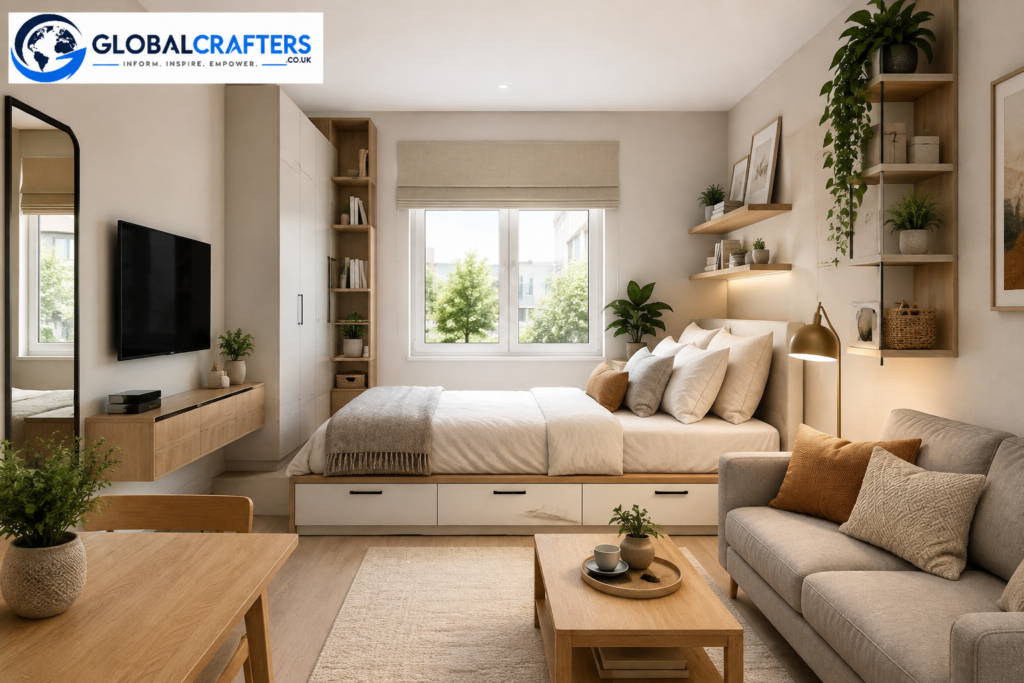

Decorating a small room can feel challenging, especially when you want it to be stylish, comfortable and functional without making it feel cramped. The good news is that limited space does not mean limited design possibilities. With the right colours, furniture, lighting, storage solutions and layout, even a compact room can feel open, organised and inviting.
If you are wondering how to decorate a small room, the most important principle is to work with the space rather than against it. Instead of filling every empty corner, choose pieces that serve a purpose, use visual tricks to create a sense of openness and keep clutter under control. A carefully designed small room can often feel more attractive and intentional than a much larger room.
Whether you are decorating a small bedroom, living room, guest room, home office, rental apartment or studio, the ideas in this guide can help you make the most of every available centimetre.
What Makes a Small Room Feel Smaller?
Before choosing furniture or decorative accessories, it helps to understand what makes a compact room appear even more crowded. Too much furniture is one of the biggest problems. A large sofa, oversized bed, bulky cabinet and several unnecessary tables can quickly consume valuable floor space.
Visual clutter can have the same effect. Open shelves packed with objects, excessive wall decorations, tangled cables and piles of clothing make the eye work harder and create a sense of disorder. Even if the room is technically clean, too many visible items can make it feel smaller.
Dark colours are not automatically bad for small rooms, but using very dark shades everywhere can sometimes make the space feel enclosed, particularly when natural light is limited. Similarly, heavy curtains, oversized patterns and furniture that completely blocks windows can reduce the room’s visual openness.
The goal is not to remove personality from the room. Instead, aim for balance. Keep the larger surfaces relatively simple, then introduce personality through carefully selected artwork, textiles, plants, lighting and decorative objects.
How to Choose the Right Colour Scheme
Colour is one of the easiest ways to change how a small room feels. Light and neutral shades such as white, cream, soft beige, pale grey and light taupe can reflect natural and artificial light, helping the room appear brighter and more spacious.
You do not have to create a completely white room. A combination of warm neutrals can provide depth while maintaining an airy appearance. For example, cream walls paired with beige furniture, light wood and soft green accessories can create a welcoming and sophisticated look.
Another effective approach is to use a limited colour palette. Choose two or three main colours and repeat them throughout the room. This creates visual continuity and prevents the space from appearing fragmented.
If you love bold colours, use them strategically. A deep green cushion, navy chair, colourful artwork or darker accent wall can add character without overwhelming the entire room. The key is to use stronger colours as accents rather than allowing them to dominate every surface.
For a small room with low ceilings, consider using a lighter shade on both the walls and ceiling. This can help blur the visual boundary between surfaces and make the room feel taller.
How to Select Furniture for a Small Room
Choosing the right furniture is essential when learning how to decorate a small room. The best furniture is not necessarily the smallest furniture available. Instead, look for pieces that are appropriately scaled and provide more than one function.
A bed with built in drawers, an ottoman with hidden storage or a desk that can double as a dressing table can help you achieve more without adding unnecessary furniture.
Furniture with visible legs can also make a difference. Sofas, chairs and cabinets raised slightly from the floor allow more of the floor to remain visible, creating a lighter visual effect. By contrast, large pieces that sit directly on the floor can appear heavier.
Consider the proportions of the room before buying anything. Measure the available space, including door openings, windows and walking paths. A piece may look attractive in a showroom but feel overwhelming once placed inside a compact room.
Glass, acrylic and other visually light materials can also be useful. A transparent coffee table, for example, can provide functionality without creating a strong visual barrier.
How to Arrange Furniture for Better Space
Furniture arrangement can make a small room feel either comfortable or frustrating. Start by identifying the most important piece of furniture. In a bedroom, this is usually the bed. In a living room, it may be the sofa.
Position the main furniture so that there is a clear and practical pathway through the room. Avoid placing furniture where it blocks doors, windows or frequently used walking routes.
In many small rooms, pushing every item tightly against the walls may not actually create the best layout. Sometimes leaving a small amount of breathing space around furniture makes the room feel more intentional.
Try to maintain an open area where possible. You do not necessarily need empty space everywhere, but having some visible floor area can significantly improve the feeling of spaciousness.
If the room serves several purposes, divide it visually rather than using bulky partitions. A rug can define a seating area, while a narrow desk can create a compact workspace without physically dividing the room.
How to Use Mirrors to Create the Illusion of Space
Mirrors are a classic solution for making small spaces appear larger. They reflect light and create the impression that the room extends beyond its actual boundaries.
A large mirror positioned opposite or near a window can reflect natural light around the room. If a floor to ceiling mirror is not practical, consider using a large wall mirror above a console, dresser or sofa.
You can also use multiple smaller mirrors as a decorative feature. However, avoid covering an entire wall with small mirrors unless that look suits your style. One large, well positioned mirror often creates a cleaner effect.
Think about what the mirror reflects. A mirror facing a cluttered corner will effectively duplicate the visual clutter. Positioning it toward a window, attractive artwork or an open section of the room usually produces a better result.
Mirrored wardrobe doors can be particularly useful in bedrooms because they combine storage functionality with the space enhancing effect of reflection.
How Lighting Can Transform a Small Room
Good lighting can make a small room feel larger, warmer and more comfortable. A single ceiling light is rarely enough to create the best atmosphere.
Use several layers of lighting when possible. Ambient lighting provides general illumination, task lighting supports activities such as reading or working, and accent lighting highlights artwork, shelves or architectural details.
Wall mounted lights can be especially helpful because they provide illumination without taking up floor or table space. Similarly, slim floor lamps and compact table lamps can add warmth without overwhelming the room.
Make the most of natural light as well. Keep windows as unobstructed as possible and avoid placing large furniture directly in front of them.
Light coloured curtains can help maintain brightness during the day. Sheer curtains are particularly useful when you want privacy while still allowing natural light to enter.
Warm lighting can make a small room feel cosy, while brighter neutral lighting can create a clean and energetic atmosphere. Choose the lighting temperature based on how you use the space.
Smart Storage Ideas for Small Rooms
Storage is one of the biggest challenges in a compact room. The solution is to use space efficiently rather than simply adding more storage furniture.
Look upward. Tall bookcases, vertical cabinets and wall mounted shelving can take advantage of unused wall space while keeping the floor relatively clear.
Under bed storage is another practical option. Boxes, drawers or built in compartments can store seasonal clothing, bedding, shoes and other items that you do not need every day.
Use furniture with hidden storage wherever possible. An ottoman, storage bench or bed with drawers can provide additional capacity without making the room look like a storage area.
Floating shelves can also be useful for books, photographs and small decorative objects. Because they do not occupy floor space, they are particularly suitable for compact rooms.
Do not forget the backs of doors. Over door organisers can hold accessories, cleaning supplies, shoes or other small items depending on the room.
The most important storage rule is to avoid storing everything visibly. Closed cabinets and drawers can keep everyday clutter out of sight and create a calmer appearance.
How to Decorate Walls Without Making Them Feel Crowded
Walls provide valuable decorating opportunities in a small room, but too much wall décor can create visual noise. Instead of covering every available surface, choose a few meaningful focal points.
A large piece of artwork can sometimes work better than a collection of many small frames. One strong visual element gives the eye somewhere to focus without making the room appear busy.
Vertical artwork can help emphasise ceiling height. Similarly, tall bookshelves and vertically arranged photographs can draw attention upward.
If you prefer gallery walls, keep the arrangement organised. Use a consistent frame style or colour palette to create cohesion.
Wallpaper can also work in a small room. Rather than automatically avoiding patterns, choose a design that complements the room’s scale. Subtle patterns or vertical designs can create visual interest without overwhelming the space.
For renters, removable wallpaper and peel and stick décor can provide a temporary way to personalise the room without making permanent changes.
How to Choose Curtains and Window Treatments
Window treatments have a surprisingly large impact on the appearance of a small room. Heavy curtains can make windows look smaller and reduce the amount of light entering the room.
One useful technique is to hang the curtain rod slightly higher and wider than the window frame when appropriate. This can make the window appear larger and allow more natural light into the room when the curtains are open.
Choose lightweight fabrics and colours that complement the walls. Curtains that are close in colour to the wall can create a more continuous visual appearance.
Blinds and roller shades are useful alternatives when floor or wall space is limited. They can provide privacy while maintaining a clean and streamlined appearance.
Avoid excessively complicated window treatments in a compact space. Simple designs usually create a cleaner visual result.
How to Use Rugs in a Small Room
A rug can add warmth, texture and personality to a small room, but selecting the wrong size can make the space feel disconnected.
A rug that is too small may create the impression that the furniture is floating separately rather than forming a cohesive arrangement. Whenever possible, choose a rug large enough to visually connect the main furniture pieces.
Light or medium toned rugs can help maintain an airy appearance. Simple patterns are generally easier to integrate than extremely busy designs.
If the room is narrow, a rug with subtle directional lines can help reinforce the room’s proportions. However, avoid relying too heavily on visual tricks. The primary goal should be creating a comfortable and balanced space.
Rugs are also useful for defining different zones. In a studio apartment, for example, one rug can visually establish the sleeping area while another defines the living space.
How to Decorate With Plants
Plants can make a small room feel fresh and inviting. The trick is to choose plants and containers that fit the available space.
Instead of placing several large pots on the floor, consider hanging planters, wall mounted planters or narrow plant stands. This adds greenery without sacrificing valuable floor area.
A tall, slim plant can draw the eye upward, while a small plant can add life to a desk, shelf or bedside table.
Do not overcrowd the room with greenery. A few carefully positioned plants are often more effective than a large collection.
If natural light is limited, choose plants that are appropriate for the available lighting conditions. Alternatively, hig quality artificial plants can provide a decorative effect without requiring maintenance.
How to Choose Accessories and Décor
Accessories are what give a room personality, but they can quickly become a source of clutter. When decorating a small room, choose fewer pieces and make each one count.
Instead of displaying ten small decorative objects, select three or four items with different heights and textures. This creates interest while maintaining a sense of order.
Textiles are an easy way to add personality. Cushions, throws, bedding and curtains can introduce colour and texture without consuming much physical space.
Use decorative objects that are connected to your style. A small room does not need to look empty or generic. It simply benefits from thoughtful editing.
A useful rule is to regularly remove items you no longer use or enjoy. Small spaces become much easier to maintain when everything has a clear purpose or emotional value.
How to Decorate a Small Bedroom
A small bedroom should prioritise comfort, storage and a relaxing atmosphere. Because the bed is usually the largest item, start by choosing a suitable bed size and positioning it to preserve a practical walkway.
Use the area beneath the bed for storage and consider wall mounted bedside shelves instead of traditional bedside tables. This can free up floor space while still giving you somewhere to place a lamp, phone or book.
Keep bedding relatively simple if the room is already visually busy. Neutral bedding with one or two accent colours can make the bedroom feel calm and coordinated.
A large mirror can be placed on a wardrobe door or wall to create a sense of depth. Soft lighting beside or above the bed can also make the room feel more comfortable in the evening.
If you have a very small bedroom, avoid filling it with unnecessary chairs, cabinets and decorative furniture. Prioritise the pieces you actually use.
How to Decorate a Small Living Room
When decorating a small living room, focus on creating an inviting seating area without blocking movement. A compact sofa or appropriately scaled loveseat can often work better than an oversized sectional.
Choose a coffee table that fits the seating arrangement. If space is extremely limited, consider nesting tables, a small round table or an ottoman that can function as both seating and a table.
Wall mounted televisions can help reduce the need for bulky entertainment units. Floating shelves can provide additional storage without taking up floor space.
Use a rug to visually connect the seating area and create a defined zone. Add cushions, artwork and a few accessories to bring personality into the room.
Avoid pushing too many individual chairs and tables into the space. A small living room often benefits from simplicity and clear sightlines.
How to Decorate a Small Room on a Budget
You do not need a large decorating budget to transform a small room. In fact, small spaces can often be improved with inexpensive changes that have a significant visual impact.
Start with decluttering before buying anything. Removing unused furniture and unnecessary objects costs nothing and may immediately make the room feel larger.
Rearrange existing furniture to test different layouts. Sometimes moving a desk, bed or sofa can improve the flow without requiring a new purchase.
Refresh textiles rather than replacing large furniture. New cushion covers, bedding, curtains or a throw can dramatically change the appearance of a room.
Second hand furniture can also be an excellent option. Look for solid pieces that can be cleaned, repaired or repainted. A simple coat of paint can give an old cabinet or table a completely different appearance.
DIY artwork, framed photographs and inexpensive plants can add personality without requiring a significant investment.
How to Make a Small Room Look More Expensive
A luxurious looking small room is usually less about expensive products and more about consistency. A coordinated colour palette, quality looking textiles and an uncluttered layout can make the space appear much more sophisticated.
Choose a few materials and repeat them throughout the room. For example, light wood, cream fabric and black metal accents can create a cohesive modern look.
Pay attention to small details such as curtain length, cable management, pillow arrangement and lighting. These details can make inexpensive décor appear more polished.
Avoid filling the room with decorative items simply because you have space for them. Luxury interiors tend to feel intentional rather than crowded.
A large mirror, attractive lighting fixture or carefully selected piece of artwork can become a focal point and give the room a designer inspired appearance.
Common Small Room Decorating Mistakes
One of the most common mistakes is buying furniture before measuring the room. Always measure both the room and the furniture. Remember to account for doors, drawers, windows and walking space.
Another mistake is relying entirely on tiny furniture. A room filled with many small pieces can actually appear more cluttered than one containing a few appropriately scaled pieces.
Too many colours can also make a compact room feel visually fragmented. You can still use colour, but repeating a consistent palette generally creates a more unified appearance.
Poor lighting is another frequent problem. If a room has only one central light source, corners can appear dark and the space may feel smaller.
Finally, avoid confusing minimalism with emptiness. The goal is not to remove everything. The best small rooms contain useful furniture and personal details while avoiding unnecessary clutter.
How to Make a Small Room Feel Bigger Without Renovating
You can create a noticeable sense of spaciousness without knocking down walls or undertaking expensive renovations. Start by reducing visual clutter and improving the furniture layout.
Use mirrors strategically, maximise natural light and choose furniture with an appropriate scale. Keeping the floor visible can make the room feel more open.
Vertical storage is another effective strategy. Instead of spreading cabinets across the room, use taller and narrower storage where appropriate.
Keeping similar colours across walls, large furniture and textiles can also create visual continuity. This does not mean everything has to match exactly; subtle variations create depth while maintaining harmony.
Finally, keep surfaces reasonably clear. A tidy desk, uncluttered bedside table and organised shelves can make a surprisingly large difference.
How to Create Zones in a Small Multipurpose Room
Small rooms often need to perform several functions. A bedroom may also be a study, a living room may double as a home office, or a studio apartment may need separate sleeping and dining areas.
Instead of using bulky room dividers, create zones through furniture placement, rugs, lighting and colour. A small rug can identify a seating area, while a desk lamp and wall shelf can establish a work zone.
Open shelving can sometimes separate areas without completely blocking light. A narrow bookcase placed strategically can create a visual division while also providing storage.
Furniture should remain multifunctional wherever possible. A fold down desk, storage ottoman or sofa bed can allow one room to serve several purposes.
The objective is to make each zone feel intentional without sacrificing the overall sense of openness.
How to Keep a Small Room Organised
Once you have decorated the room, maintaining it is just as important as the original design. Even a beautifully decorated small room can quickly feel cramped if clutter begins accumulating.
Give frequently used items a dedicated home. When everything has a place, tidying becomes easier and faster.
Use baskets, boxes, drawer organisers and storage containers to group smaller items. Matching or coordinated containers can also make open storage look more attractive.
Adopt a regular decluttering routine. Before adding something new, consider whether you have something you no longer need.
The best small room design is one that is easy to maintain. If the storage system is complicated or inconvenient, it is less likely to work in everyday life.
Final Thoughts on How to Decorate a Small Room
Learning how to decorate a small room is less about trying to make the space look enormous and more about making every part of it work efficiently. A thoughtful layout, suitable furniture, good lighting, strategic storage and a coordinated colour palette can completely change how a compact room feels.
Start with the basics remove unnecessary clutter, measure the room, identify your priorities and create a practical furniture arrangement. Then add mirrors, lighting, textiles, plants and personal décor gradually rather than trying to fill the room at once.
Remember that small spaces can have plenty of personality. You do not need a huge room or an unlimited budget to create a beautiful interior. With careful choices and a focus on functionality, even the smallest room can become comfortable, stylish, organised and genuinely enjoyable to live in.
You may also read more blogs
FAQ About Decorating a Small Room
How do you decorate a small room to make it look bigger?
Use light colours, maximise natural light, choose appropriately scaled furniture and keep walking areas clear. Mirrors can reflect light and create the illusion of additional depth. Vertical storage and furniture with visible legs can also make the room feel visually lighter.
What colours make a small room look bigger?
Light neutrals such as white, cream, pale beige and soft grey are popular choices because they reflect light and create an airy appearance. Soft pastel shades can also work well. You can introduce darker colours through accessories and accent pieces without making the entire room feel enclosed.
What furniture is best for a small room?
Multifunctional and appropriately scaled furniture is usually the best choice. Look for beds with storage, compact sofas, nesting tables, floating shelves, storage ottomans and desks that can serve multiple purposes.
Does a mirror really make a small room look bigger?
Yes. A strategically positioned mirror can reflect light and create an impression of greater depth. Large mirrors can be particularly effective, especially when positioned where they reflect a window or an open part of the room.
Should a small room have dark colours?
A small room can absolutely use dark colours. The key is balance. Dark shades often work best as accent colours, on selected furniture or on a carefully chosen feature wall, especially when the room has good natural or artificial lighting.
How can I decorate a small room cheaply?
Start by decluttering and rearranging the furniture you already own. Then update inexpensive elements such as cushion covers, bedding, artwork, plants and lighting. Shopping second hand and repurposing existing furniture can also reduce costs.
How can I add storage without making a small room look cluttered?
Use vertical and hidden storage. Tall shelving, wall mounted cabinets, under bed storage and furniture with built in compartments can provide capacity without consuming excessive floor space. Closed storage is particularly useful for hiding everyday clutter.
What is the biggest mistake when decorating a small room?
The biggest mistake is often filling the room with too much furniture and décor. Small rooms benefit from thoughtful selection, clear pathways and visual consistency. Every item should have a purpose, contribute to the design or ideally do both.