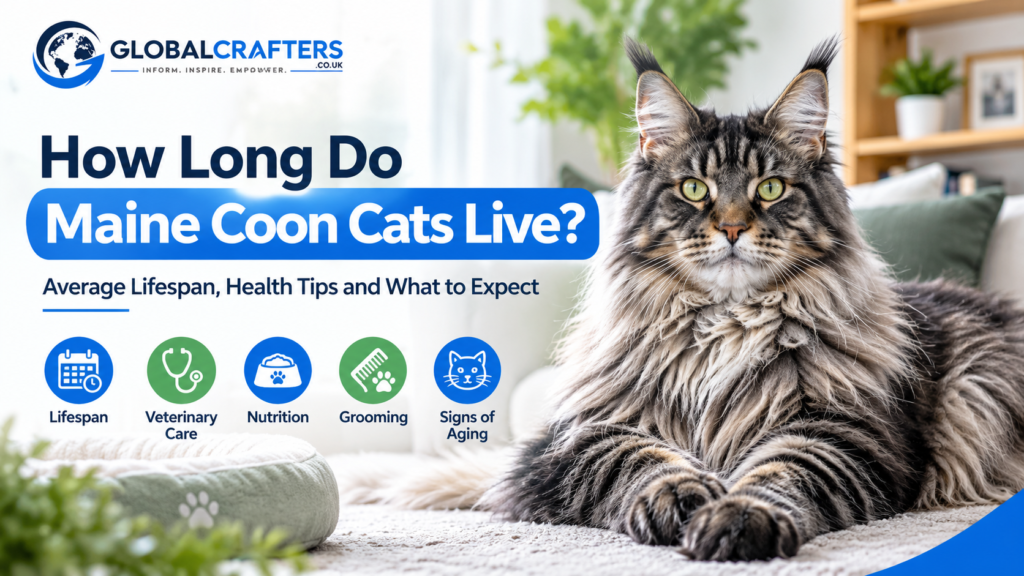

Maine Coon cats are famous for their impressive size, beautiful coats, gentle personalities, and friendly nature. They are one of the largest domestic cat breeds, but their size naturally makes many owners wonder how long these gentle giants can live. If you are asking how long do Maine Coon cats live, the typical life expectancy is around 12 to 13 years, although some healthy Maine Coon cats can live longer with appropriate nutrition, veterinary care, weight management, exercise, and a safe home environment. The International Cat Association lists a life expectancy of 12.5 years or more, while veterinary sources commonly place the typical Maine Coon lifespan at around 13 years.
A Maine Coon reaching an advanced age is not unusual, but there is no guaranteed lifespan for an individual cat. Genetics, inherited diseases, diet, body weight, dental health, activity, living conditions, preventive veterinary care, and early detection of illness can all influence how long a cat remains healthy. Understanding these factors can help owners make better decisions throughout their Maine Coon’s life.
How Long Do Maine Coon Cats Live?
Most Maine Coon cats live approximately 12 to 13 years, while some can live into their mid teens or beyond. The International Cat Association gives the breed a life expectancy of 12.5 years or more. PetMD describes the typical Maine Coon lifespan as around 13 years. These figures should be treated as general averages rather than a fixed biological limit.
Individual cats can have very different lifespans. A Maine Coon with excellent genetics, a healthy body weight, a balanced diet, regular veterinary examinations, and an enriched indoor environment may have many healthy years. On the other hand, inherited disease, obesity, untreated dental problems, heart disease, kidney disease, injuries, or other medical conditions can shorten a cat’s life.
What Is the Average Maine Coon Lifespan?
The average Maine Coon lifespan is commonly reported at around 12 to 13 years. TICA lists life expectancy as 12.5 years or more, while PetMD reports a typical lifespan of about 13 years. This means owners should generally think of the Maine Coon as a breed that can provide more than a decade of companionship when properly cared for.
It is also important to remember that an average does not predict the lifespan of an individual cat. Some Maine Coons may experience serious health problems earlier in life, while others remain active and comfortable well into their senior years. Good care cannot guarantee longevity, but it can support overall health and may improve the chances of maintaining a good quality of life.
Why Do Maine Coon Cats Have a Different Lifespan?
Maine Coon cats are a naturally large breed and mature more slowly than many smaller domestic cats. TICA notes that Maine Coons may not reach full maturity until around four years of age. Their large frame, long body, substantial muscles, and heavy coat mean their nutritional and environmental needs can differ from those of smaller cats.
Size alone does not determine lifespan. The more important issue is the combination of genetics, health, nutrition, weight, activity, preventive care, and the individual cat’s circumstances. A large cat that maintains a healthy body condition can remain active and comfortable for many years.
Does Size Affect Maine Coon Longevity?
Being a large breed does not automatically mean that a Maine Coon will have a short life. However, their size can contribute to particular health considerations. Joint health deserves attention because Maine Coons are susceptible to conditions such as hip dysplasia, and excessive body weight can put additional stress on joints.
Owners should focus on maintaining a healthy body condition rather than trying to make a Maine Coon as large as possible. A very heavy cat is not necessarily a healthier cat. Controlled nutrition, regular movement, appropriate play, and veterinary monitoring are more useful measures of healthy development than size alone.
What Factors Affect Maine Coon Lifespan?
A Maine Coon’s lifespan is influenced by several factors that owners can partly control. Genetics can influence the risk of inherited diseases, while nutrition and body weight can affect metabolic and joint health. Veterinary care can also make a major difference because regular examinations can identify problems before they become advanced.
Living conditions are another important factor. Indoor cats are generally protected from many outdoor hazards such as traffic accidents, fights, infectious disease exposure, and some environmental dangers. An indoor environment can still be stimulating when it includes climbing structures, scratching areas, toys, interactive play, comfortable resting places, and opportunities for natural feline behaviors.
Genetics and Responsible Breeding
Genetics can play an important role in Maine Coon health. Responsible breeders may screen breeding cats for conditions associated with the breed, including hypertrophic cardiomyopathy, spinal muscular atrophy, and other inherited disorders. TICA specifically recommends genetic and veterinary screening practices for Maine Coon breeding programs.
If you are purchasing a Maine Coon kitten, ask the breeder about health testing and the medical history of the parents. A responsible breeder should be willing to discuss relevant health screening rather than focusing only on appearance, size, color, or pedigree.
Common Health Problems in Maine Coon Cats
Maine Coon cats are generally affectionate and adaptable, but they can be susceptible to certain health conditions. Knowing the common risks does not mean that every Maine Coon will develop these diseases. Instead, it helps owners recognize why regular health monitoring is important.
Some of the conditions associated with Maine Coons include hypertrophic cardiomyopathy, hip dysplasia, polycystic kidney disease, spinal muscular atrophy, and dental problems. Veterinary sources also recommend paying attention to body weight and joint health because the breed’s large frame can make mobility problems more significant.
Hypertrophic Cardiomyopathy
Hypertrophic cardiomyopathy, commonly called HCM, is one of the most important heart conditions to understand when researching Maine Coon health. It causes thickening of the heart muscle and can be difficult to identify in its early stages because some affected cats show few obvious signs initially. Advanced disease can cause serious cardiac complications.
TICA notes that Maine Coon breeding programs may use genetic testing together with echocardiographic evaluation by veterinary cardiologists. Genetic testing can provide useful information, but it should not be treated as a complete replacement for veterinary cardiac assessment because not every genetic factor associated with HCM is necessarily identified by a single test.
Hip Dysplasia and Joint Problems
Hip dysplasia occurs when the hip joint develops abnormally and may contribute to pain, arthritis, reduced mobility, or difficulty performing normal activities. Maine Coons can be susceptible to hip related problems, making healthy weight management particularly important.
Owners should watch for changes such as reluctance to jump, difficulty using stairs, reduced playfulness, stiffness, or unusual litter box posture. These signs can have several possible causes, so a veterinarian should evaluate persistent mobility changes rather than assuming they are simply part of aging.
Polycystic Kidney Disease
Polycystic kidney disease involves cysts developing in the kidneys and can eventually affect kidney function. Genetic screening can help identify certain inherited risks in breeding programs. PetMD identifies PKD among the inherited conditions that Maine Coon owners and breeders may need to consider.
Kidney disease can become more common as cats age, which is why senior Maine Coons benefit from closer health monitoring. Changes in drinking, urination, appetite, body weight, or energy should be discussed with a veterinarian.
Spinal Muscular Atrophy
Spinal muscular atrophy is an inherited neurological condition that can affect physical abilities and muscle strength. PetMD notes that affected Maine Coon kittens may show signs such as weakness, tremors, reduced muscle tone, or an unusual gait during early development.
This condition does not mean every Maine Coon is at risk of developing neurological problems. Genetic testing can be useful in responsible breeding programs, particularly when breeders are trying to reduce the likelihood of passing known inherited conditions to future generations.
How Proper Nutrition Can Support a Maine Coon’s Life
Nutrition is one of the most practical areas where owners can support their Maine Coon’s health. A complete and balanced cat food appropriate for the animal’s life stage can provide the nutrients required for growth, maintenance, and normal body function. PetMD recommends choosing food with an appropriate nutritional adequacy statement and consulting a veterinarian about individual dietary requirements.
Maine Coon kittens have different nutritional needs from mature cats. Because the breed can continue growing for several years, owners should avoid trying to accelerate growth simply to make a kitten larger. Healthy development is more important than achieving an impressive size.
Why Weight Management Matters
Weight management is especially important for a large breed. An overweight Maine Coon places additional stress on its joints and may have greater difficulty moving comfortably. Excess body fat can also contribute to broader health problems.
Do not judge a Maine Coon’s health simply by looking at its overall size. Their long fur and naturally large body can make visual weight assessment difficult. Regular veterinary checks can help determine whether your cat has an appropriate body condition.
Water and Hydration
Fresh water should always be available. Some Maine Coons enjoy playing with water, and certain cats may drink more readily from fountains or moving water sources. PetMD notes that water fountains can encourage hydration in some cats.
Hydration is particularly important as cats grow older because kidney and urinary health become increasingly important areas of monitoring. If a cat suddenly begins drinking substantially more water than usual, this should not simply be dismissed as normal behavior. A veterinary examination may be appropriate.
How Exercise Can Help Maine Coon Cats Live Longer
Exercise helps Maine Coon cats maintain muscle strength, mobility, coordination, and a healthy body weight. Because Maine Coons are large and intelligent cats, they often benefit from activities that allow them to climb, chase, explore, and interact with their owners.
Interactive toys can encourage natural hunting behaviors without exposing the cat to outdoor risks. Puzzle feeders can also provide mental stimulation while making meals more engaging. A sturdy cat tree can be particularly useful because Maine Coons need equipment capable of supporting their larger bodies.
Creating an Enriched Indoor Environment
A good indoor environment should include sturdy climbing structures, scratching posts, comfortable sleeping areas, toys, and opportunities for interactive play. TICA describes Maine Coons as gentle, friendly cats that can be playful and social, while PetMD recommends providing large and sturdy equipment suitable for their size.
Mental stimulation is just as important as physical exercise. Rotating toys, teaching simple behaviors, using food puzzles, and spending quality time with your cat can help prevent boredom. A healthy Maine Coon does not need constant entertainment, but regular interaction can support a more active and enriched lifestyle.
Grooming and Dental Care for Maine Coon Cats
The Maine Coon’s beautiful coat is one of its most recognizable features, but that long coat requires regular attention. Depending on coat texture, some cats may require frequent combing to prevent mats and tangles. TICA recommends beginning regular combing from kittenhood and continuing throughout the cat’s life.
Dental care also deserves attention. PetMD notes that Maine Coon cats may experience gingivitis and recommends regular dental care and veterinary examinations. Daily tooth brushing can help reduce plaque buildup when a cat is comfortable with the process and the owner uses products designed specifically for cats.
Coat Care and Grooming
Regular brushing removes loose hair and helps prevent painful mats. It also gives owners an opportunity to examine the skin for unusual lumps, irritation, wounds, parasites, or other changes.
The exact grooming schedule depends on the individual cat’s coat. Some Maine Coons have coats that tangle more easily than others. If severe matting develops, professional grooming may be safer than attempting to cut difficult mats at home.
Dental Health
Dental disease can cause pain and affect a cat’s quality of life. Cats may continue eating despite dental discomfort, so owners should not assume that normal appetite means the mouth is healthy.
Regular veterinary dental examinations, appropriate home dental care, and monitoring for signs such as bad breath, difficulty chewing, drooling, or changes in eating behavior can help identify problems earlier.
Veterinary Care for a Longer Maine Coon Lifespan
Routine veterinary care is one of the most important parts of responsible Maine Coon ownership. Cats are skilled at hiding illness, meaning a cat may appear normal even when a medical problem is developing. Regular examinations allow veterinarians to monitor weight, heart health, teeth, mobility, eyes, ears, and other aspects of general health.
Senior cats may require more frequent monitoring. PetMD notes that senior cats commonly face conditions such as kidney disease, diabetes, arthritis, and heart disease, and veterinary examinations become particularly important as cats age.
Preventive Health Checks
Preventive care may include vaccinations, parasite control, dental assessment, weight monitoring, and age appropriate laboratory testing. The exact schedule should be determined with a veterinarian based on the cat’s age, health, lifestyle, and risk factors.
For Maine Coons, discussions about cardiac screening can be particularly relevant because of the breed’s association with hypertrophic cardiomyopathy. Responsible breeders may also provide health testing information for parents and breeding lines.
Signs That a Maine Coon Cat Is Getting Older
Aging is a gradual process, and the first signs may be subtle. An older Maine Coon may sleep more, play less intensely, jump less frequently, groom differently, or take longer to move after resting. Some cats may also become more selective about their sleeping locations or prefer easier access to food, water, and litter boxes.
These changes can be part of normal aging, but they can also indicate an underlying health problem. A significant or sudden change in behavior should be discussed with a veterinarian instead of automatically being blamed on age.
Changes in Mobility and Behavior
Reduced jumping ability can be particularly important in a large breed because joint discomfort can make climbing and jumping harder. Providing lower resting platforms and easy access to essential resources can make life more comfortable for an older cat.
Behavioral changes also deserve attention. Increased vocalization, confusion, changes in sleeping patterns, altered litter box habits, or withdrawal can have medical causes. A veterinary examination can help distinguish normal aging from treatable disease.
How to Help Your Maine Coon Live a Healthy Life
There is no guaranteed method for making a Maine Coon live to a specific age. The goal should be to support good health throughout every stage of life rather than focusing only on reaching a particular number.
A balanced diet, healthy body condition, regular exercise, grooming, dental care, preventive veterinary visits, genetic awareness, and a safe environment can all contribute to a better quality of life. Early attention to unusual symptoms is also important because many health problems are easier to manage when detected earlier.
Everyday Habits That Matter
Simple daily habits can make a meaningful difference. Measure food according to your cat’s individual needs rather than feeding unlimited amounts, provide clean water, encourage play, maintain a comfortable litter area, and regularly check the coat, teeth, ears, eyes, and skin.
Owners should also learn what is normal for their individual cat. Knowing how much your Maine Coon normally eats, drinks, sleeps, plays, and uses the litter box makes it easier to notice meaningful changes.
Can Maine Coon Cats Live Longer Than the Average?
Yes, some Maine Coon cats live longer than the commonly reported average. However, there is no reliable age that every healthy Maine Coon should be expected to reach. Breed life expectancy statistics are population averages, not guarantees for individual animals.
A cat that reaches an advanced age may benefit from favorable genetics, good preventive care, appropriate nutrition, a healthy body condition, and a relatively safe lifestyle. Even with excellent care, however, some inherited or acquired diseases cannot be completely prevented.
What Is a Good Lifespan for a Maine Coon?
A lifespan of around 12 to 13 years is consistent with commonly cited Maine Coon breed expectations, while reaching the mid teens can represent a longer than typical lifespan. TICA lists life expectancy at 12.5 years or more, emphasizing that the breed can live beyond the lower end of that range.
Rather than judging a cat solely by its age, owners should consider quality of life. An older cat that remains comfortable, engaged, eating normally, grooming, interacting with its family, and receiving appropriate medical care can continue to have a rewarding life.
Latest Update on Maine Coon Health and Lifespan
Current breed information continues to emphasize responsible breeding, genetic awareness, veterinary monitoring, and preventive health care. TICA currently lists Maine Coon life expectancy as 12.5 years or more and highlights screening for HCM and other inherited conditions. PetMD’s updated breed guidance similarly identifies an approximately 13 year typical lifespan and discusses health issues including HCM, hip dysplasia, PKD, SMA, and dental disease.
One important point for owners is that genetic testing is useful but should not be viewed as a complete health guarantee. TICA recommends combining genetic information with appropriate veterinary evaluation, particularly for cardiac health. This is especially relevant when choosing a kitten from a breeder because responsible health screening can help reduce known inherited risks.
Conclusion
So, how long do Maine Coon cats live? The typical Maine Coon lifespan is around 12 to 13 years, with TICA listing a life expectancy of 12.5 years or more. Some individual cats can live longer, but lifespan varies according to genetics, inherited health risks, nutrition, body weight, veterinary care, lifestyle, and environmental conditions.
The most useful approach is not to focus only on the number of years. Focus on the quality of those years. Give your Maine Coon a balanced diet, plenty of safe activity, regular grooming, dental care, preventive veterinary attention, and a stimulating home environment. Watch for changes in appetite, drinking, weight, mobility, behavior, grooming, or litter box habits, and seek veterinary advice when something seems unusual.
Maine Coon cats are known for their gentle personalities and impressive appearance, but their greatest value is the companionship they provide. With responsible care and regular attention to their health, owners can give these gentle giants the best opportunity to enjoy a long, comfortable, and active life.
You may also read more blogs
Frequently Asked Questions About Maine Coon Lifespan
How long do Maine Coon cats live?
Maine Coon cats typically live around 12 to 13 years. TICA lists a life expectancy of 12.5 years or more, while PetMD reports a typical lifespan of around 13 years. Individual cats can live shorter or longer depending on genetics, health, care, and environment.
Can a Maine Coon live to 20 years?
A Maine Coon can potentially reach an advanced age, but 20 years should not be considered a normal expectation for the breed. Lifespan varies significantly between individual cats, and reaching an unusually advanced age depends on many biological and environmental factors.
What is the oldest Maine Coon cat?
There is no universally accepted official record that can establish one Maine Coon as the definitive oldest member of the breed. Online claims about exceptionally old cats should therefore be treated carefully unless supported by reliable documentation.
Do indoor Maine Coon cats live longer?
Indoor living can reduce exposure to hazards such as traffic, fights, certain infections, and other outdoor risks. However, indoor living alone does not guarantee a longer lifespan. Nutrition, veterinary care, genetics, exercise, weight, and environmental enrichment remain important.
What health problems can shorten a Maine Coon’s life?
Important health concerns include hypertrophic cardiomyopathy, kidney related disease, joint problems, inherited neurological conditions, and dental disease. Not every Maine Coon develops these conditions, but awareness and preventive veterinary care can help owners identify potential problems earlier.
How can I help my Maine Coon live longer?
Provide complete and balanced nutrition, maintain a healthy body weight, encourage regular exercise, provide dental and grooming care, schedule veterinary examinations, monitor changes in behavior, and choose responsible breeding sources when purchasing a kitten.
Are Maine Coon cats healthy?
Maine Coon cats can be healthy and affectionate companions, but the breed has recognized health considerations. Responsible breeding, appropriate screening, preventive veterinary care, healthy nutrition, and weight management can help support overall wellbeing.